



Written by Derek (a.k.a.Tenceri)
Dandân is being released as a Chaos Vault: Secret Lair.
One of the core principles of Dandân, sometimes known as “Forgetful Fish,” created by Nick Floyd, is how, after playing a few games, you’ll see various details and corner cases you wouldn’t typically see in a regular game of Magic: The Gathering (MTG). The Dandân format proves how sophisticated MTG can be.
I built a Dandân list and improved it with ForceofPhil, whose helped me learn about playing control decks and understanding Legacy. He taught me how to think outside the box with deck construction.
Tenceri Dandân
Creatures (10)
- 10 Dandân
![[U]](https://eternaldurdles.com/wp-content/uploads/2026/01/u.svg)
Instants (36)
- 4 Brainstorm
- 2 Consider
- 2 Piracy Charm
- 2 Ponder
- 2 Sapphire Charm
- 2 Vision Charm
- 2 Boomerang
- 2 Counterspell
- 6 Memory Lapse
![[1]](https://eternaldurdles.com/wp-content/uploads/2026/01/1.svg)
- 2 Mission Briefing
- 4 Predict
- 2 Brainsurge
![[2]](https://eternaldurdles.com/wp-content/uploads/2026/01/2.svg)
- 2 Tragic Lesson
- 2 Learn from the Past
![[3]](https://eternaldurdles.com/wp-content/uploads/2026/01/3.svg)
Enchantments (2)
- Founding the Third Path
Lands (32)
- 2 Halimar Depths
- 20 Island
- 2 Lonely Sandbar
- 2 Mystic Sanctuary
- 2 Otawara, Soaring City
- 2 Remote Isle
- 2 Soldevi Excavations
The most critical change is the exclusion of cards like Magical Hack and Crystal Spray, both of which are in the Chaos Vault: Secret Lair. They function as removal spells in this format by changing Islands to another land type so Dandân dies. They wholly disincentivize running out more than one Dandân at a time.
—ForceofPhil
Why would you ever commit a second Dandân to the board if you know these instant-speed wrath effects exist. Either you trade two cards and four mana to their one-mana or three-mana cantrip blowouts.
They effectively make aggression impossible to convert. They may not be too powerful to include in a Dandân list but they constrain what’s possible rather than expand it.
Wizards of the Coast designers testing these cards in the Chaos Vault: Secret Lair either failed to recognizing this issue or don’t want aggro as a play pattern in the format.
Dandân lists doesn’t have much, if any, graveyard interaction. Some lists, like this one, include Mission Briefing and Mystic Sanctuary. ForceofPhil and I include Learn from the Past as a two-of to nearly ensure a way to prevent decking, which would otherwise be an extremely viable strategy.
These inclusions result in Founding the Third Path becoming a dynamic inclusion, asking questions about timing and mana usage. It can fuel the graveyard along side Predicts and cheeky Vision Charms.
Brainsurge, Tragic Lesson, Learn from the Past, and Soldevi Excavations create more of a Chess or Go experience. Brainsurge is card advantage and sets up the opponent’s next draw step. Tragic Lesson allows for the reuse of lands like Otawara, Soaring City, and Halimar Depths after they’ve been played. Going up cards in powerful but casting spells that cost more than all of the two-mana countermagic is challenging.

These changes lean toward skill expression rather than Hail Mary-style cards like Diminishing Returns. They test patience. Should you Learn from the Past when you have the mana available, or should you wait to counter a Mystic Sanctuary or Mission Briefing? When playing with a shared deck, drawing a card has so many more implications than in a regular game of MTG.
The most underestimated card in this list is Soldevi Excavations. Its scry 1 ability allows manipulation and mind-games, but sacrificing an Island can set you back when Boomerangs loom.
Soldevi Excavations isn’t for everyone. It hearkens back to Jace, the Mind Sculptor in the 2010s Cawblade era. This Dandân variation focuses on skillful details, leveraging microadvantages that primarily revolve around timing.
Dandân can drastically improve skill and how you think about MTG.
Submit Your Article To Eternal Durdles!
Direct message @ForceofPhil on Discord, Twitter, BlueSky, or Reddit.
Subscribe to Eternal Durdles on YouTube!
Subscribe to Common Sense: Sorcery podcast on YouTube!
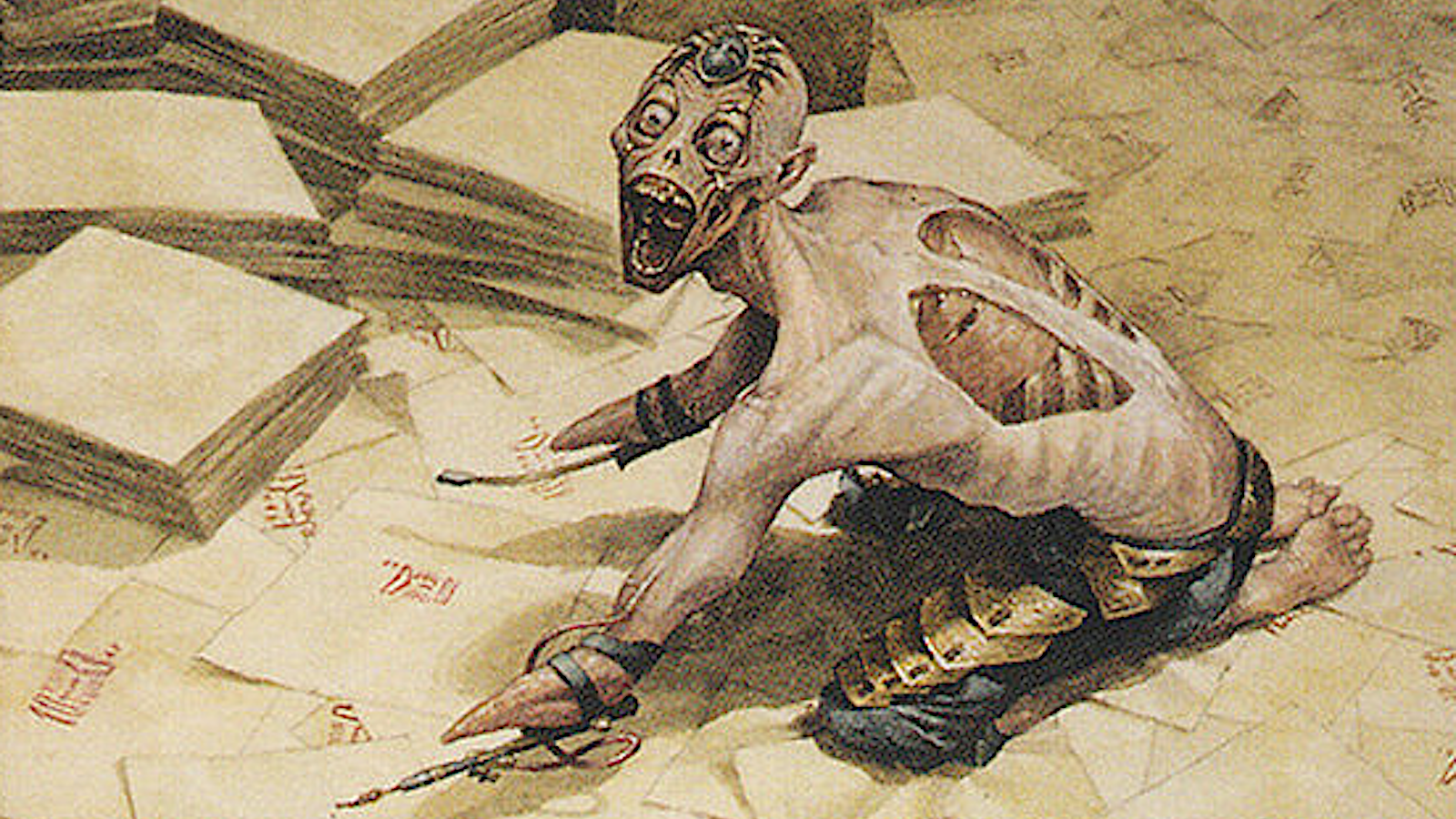
Featured image: Dandân by Drew Tucker















Leave a Reply