



Written by ForceofPhil
What is the optimal strategy for Realm-Eater? Is it teleporting the Realm-Eater atop the opposing Avatar such that it can continue eating their home-site and soft-lock the game? Possibly.
Is it over-indexing on additional site destruction effects like Sinkhole, Raze, and Salt the Earth to deny the opponent’s more expensive spells? Possibly.
The challenge of continuous site destruction in Sorcery: Contested Realm (SCR) is that any non-Magician opponent can always choose to draw a site on their turn. If they aren’t compelled to play a site under their Avatar in a void, then they could also tap their Avatar to draw a site.

How can Realm-Eater deny the opponent mana if they can always choose to draw mana? Furthermore, they could take off a turn of development to defend with their Avatar to ensure they can reach an additional mana the following turn.
The magical Christmas land of ramping turn one on the play with a core and Teleporting to the opposing home site is exciting, but it assumes a nut draw and effectively obsoletes the rest of your hand to achieve it.
Rather than aiming for nut draws, what if we adopted a different theory for Realm-Eater: play without an Atlas.
Play Without an Atlas?
I don’t literally mean play without an Atlas, but I do mean play as though your Atlas doesn’t exist after you’ve drawn your opening hand. Here’s why:
The power of Realm-Eater is attacking opposing sites. It must tap to attack, which burdens its ability to develop its own sites. You know that, hence the appeal of movement spells to maneuver around the Realm-Eater’s self-imposed immobility to continue its gluttonous gorge rather than respect its gut health.
What if Realm-Eater’s intent, instead of speed-locking the opponent, is to never allow the Realm to develop past a specific point?
What would constitute an undeveloped Realm? What’s the line where we Consider the Realm’s map unable to be further Lewis and Clark’d?

Since an opening hand must comprise three spells and three sites, what if we built a deck such that all of the spells were castable off the three sites in our opening hand? What if our curve stopped at three mana? What if Realm-Eater’s goal was to never allow the opponent to reach four mana or triple threshold?
Case Study: 
 Realm-Eater
Auras (8)
- 4 Hamlet Ablaze!
![[3]](https://eternaldurdles.com/wp-content/uploads/2026/01/3.svg)
- 2 Castle Ablaze!
- 1 Salt the Earth
![[4]](https://eternaldurdles.com/wp-content/uploads/2026/01/4.svg)
- 1 Year of the Blaze
![[7]](https://eternaldurdles.com/wp-content/uploads/2026/01/7.svg)
Salt the Earth on the opponent’s home or home-adjacent sites can Time Walk them, undoing development that exceeds Realm-Eater’s appetite.
Despite being wholly antithetical to the theory of only being able to be cast off the opening hand sites, Year of the Blaze is included as a way to set the Realm back to where the game plan can work if the opponent can get through development.
Drought could be a strong meta call.
Artifacts (22)
- 1 Ruby Core
![[1]](https://eternaldurdles.com/wp-content/uploads/2026/01/1.svg)
- 1 Amethyst Core
- 1 Philosopher Stone
- 1 Key to the City
- 1 Ring of Morrigan
- 2 Mix Ignis
- 2 Mix Aer
- 3 Toolbox
![[2]](https://eternaldurdles.com/wp-content/uploads/2026/01/2.svg)
- 2 Magellan Globe
- 1 Four Waters of Paradise
- 1 Shrine of the Dragonlord
- 2 Blightstone
- 2 Land Deed
- 2 Maddening Bells
If our intent is to never draw from the Atlas, since Realm-Eater should be feasting, then drawing mana via the Spellbook is the path forward.
The rationale for Blightstone and Land Deed is the same as Salt the Earth. The former is within the theory of castable solely off the sites in our opening hand, and the latter is effectively a ramp spell as well.
Black Obelisk is a consideration, but without any life gain and a slow clock as a prison deck, the life loss could help the opponent race.
Minions (9)
- 3 Sinterfee
- 2 Far East Assassin
- 1 Highland Princess
- 1 Cerberus in Chains
- 1 Morgana le Fey
- 1 Sir Balin
Cerberus in Chains can be cast to our Realm-Eater to clear blockers that might want to cut off Realm-Eater from the buffet. While not included, Aramos Mercenaries are a consideration for similar reasons.
Lord of Destruction and Asmodeus are considerations, but they are excluded here as both are too expensive for the theory presented, though they might be powerful enough. There are many similar effects at four mana, which is already more expensive than we want.
Magics (21)
- 1 Blood Mana
- 1 Immolation
- 3 Blink
- 3 Teleport
- 3 Grapple Shot
- 3 Blaze
- 3 Waypoint Portal
- 2 Disintegrate
- 1 Cage of Sidrak
Blood Mana is metal AF.
It’s possible Raze should be included, but it could be too detrimental, since the risk of nuking our own artifacts is high. I could see them becoming additional removal or undercosted threats to clear defenders of Realm-Eater’s brunch.
Blink, Teleport, Grapple Shot, Blaze, and Waypoint Portal are all ways to advance Realm-Eater into opposing territory. Presumably, an opponent will always develop the square in front of their home site, which turns on all these spells.

If they are a powerful wizard and recognize that they should develop laterally, then, again, our natural three opening-hand sites can line the path across the Realm. If we open Magellan Globe, then:
“Uhhhh, we don’t care.”
—Razor Ramon, Pro Wrestling Legend
Sites (30)
- 4 Vast Desert
- 3 Active Volcano
- 3 Mountain Peaks
- 3 Ruins
- 2 Remote Desert
- 2 Wuthering Heights
- 2 Sinkhole
- 1 City of Traitors
- 1 City of Glass
- 1 Mirror Realm
- 1 Glastonbury Tor

- 1 Joyous Garde

- 1 Fields of Camlann
- 1 Vesuvius
- 1 Smokestacks of Gnaak
- 1 Lone Tower
- 1 Dark Tower
- 1 Gothic Tower
Edge of The Void is a consideration as an additional means to lock out a square from the opponent.
Collection (10)
- 2 Firebolts
- 1 Blink
- 1 Teleport
- 1 Disenchant
- 1 Raise Militia
- 1 Grapple Shot
- 1 Murder of Crows
- 1 Minor Explosion
- 1 Boil
Have your own take on how to build Realm-Eater?
Submit Your Article To Eternal Durdles!
Direct message @ForceofPhil on Discord, Twitter, BlueSky, or Reddit.
Subscribe to Eternal Durdles on YouTube!
Subscribe to Common Sense: Sorcery podcast on YouTube!
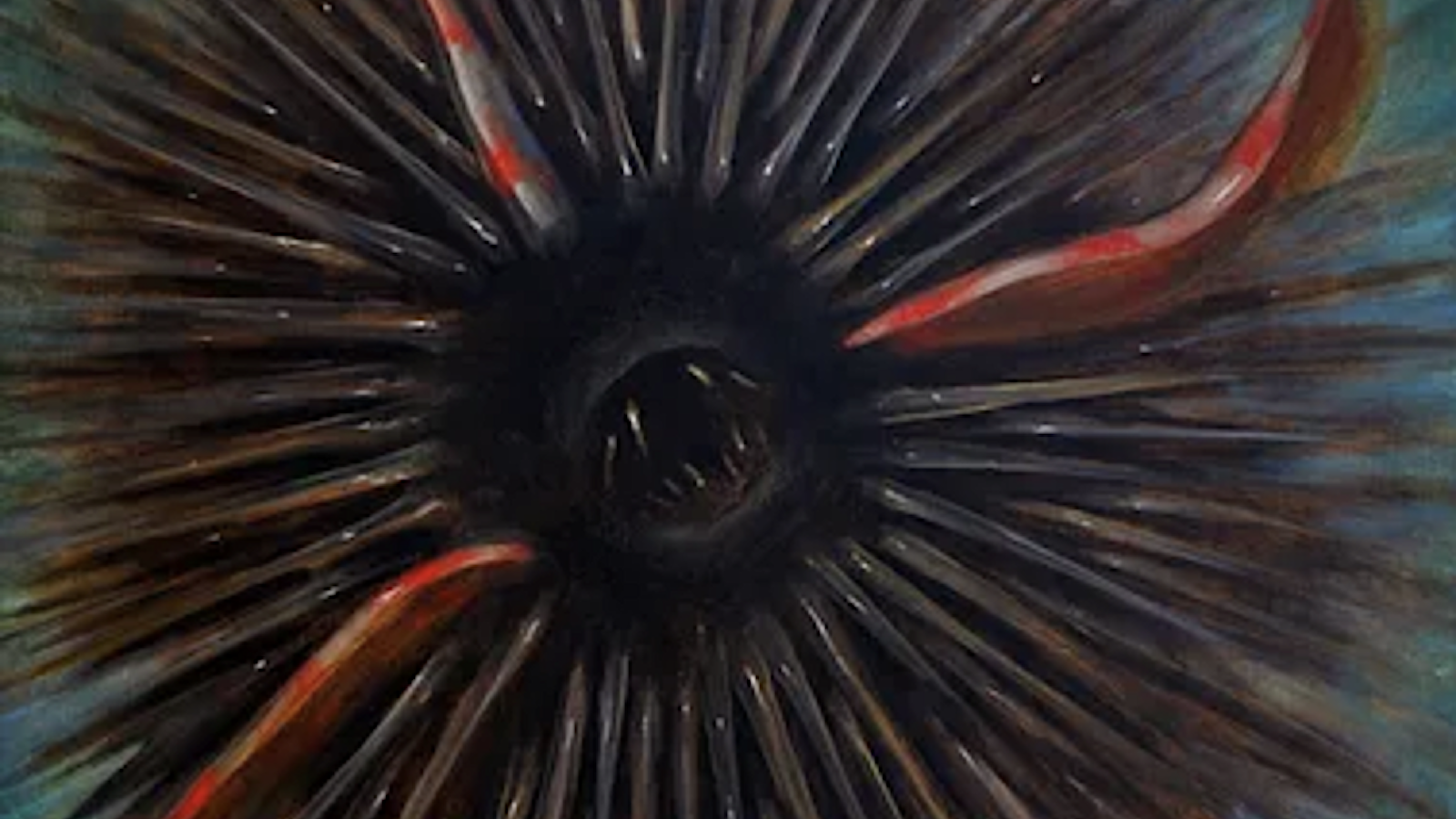
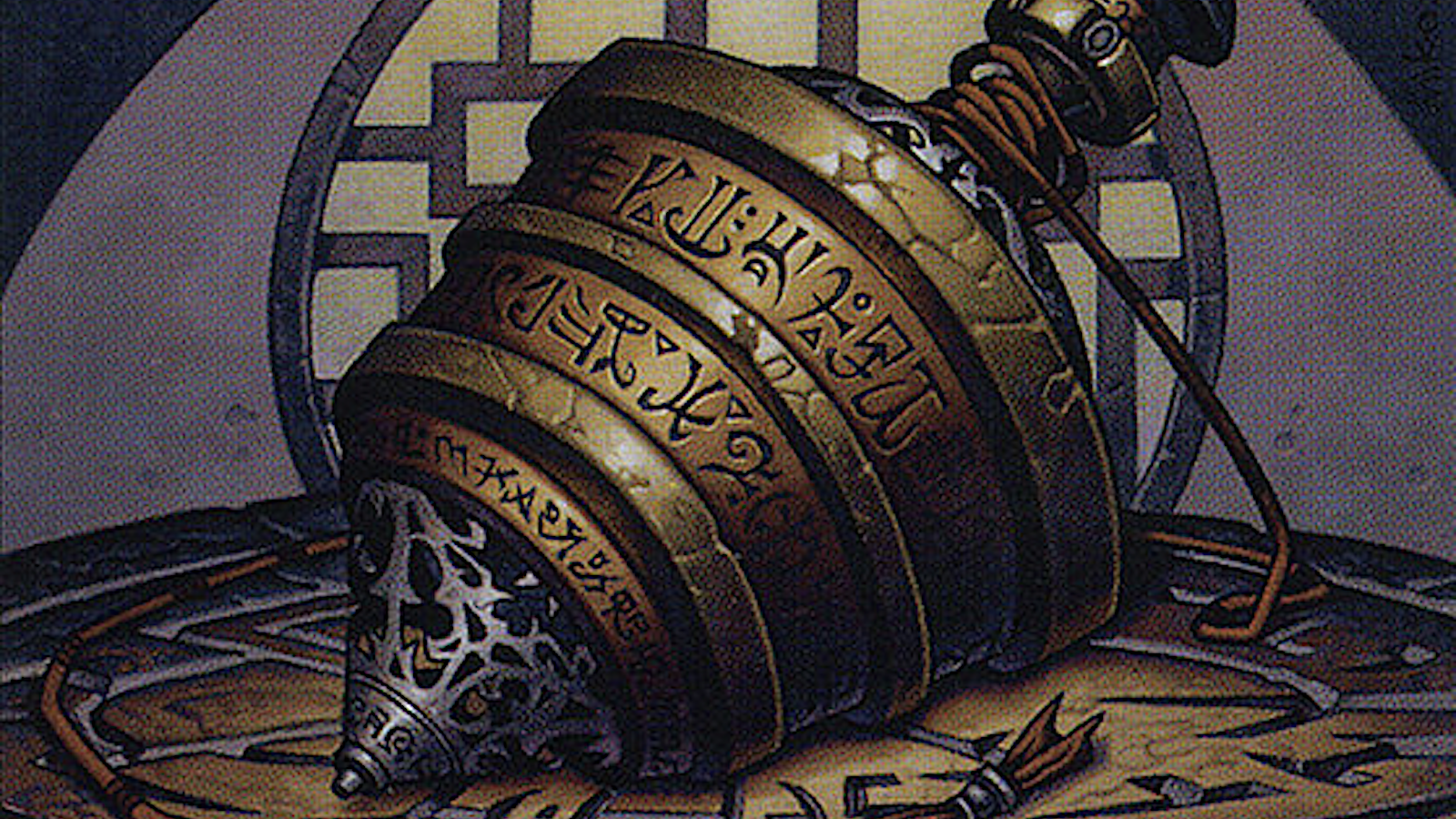
Featured image: Realm-Eater by Zohn Dee
















Leave a Reply